
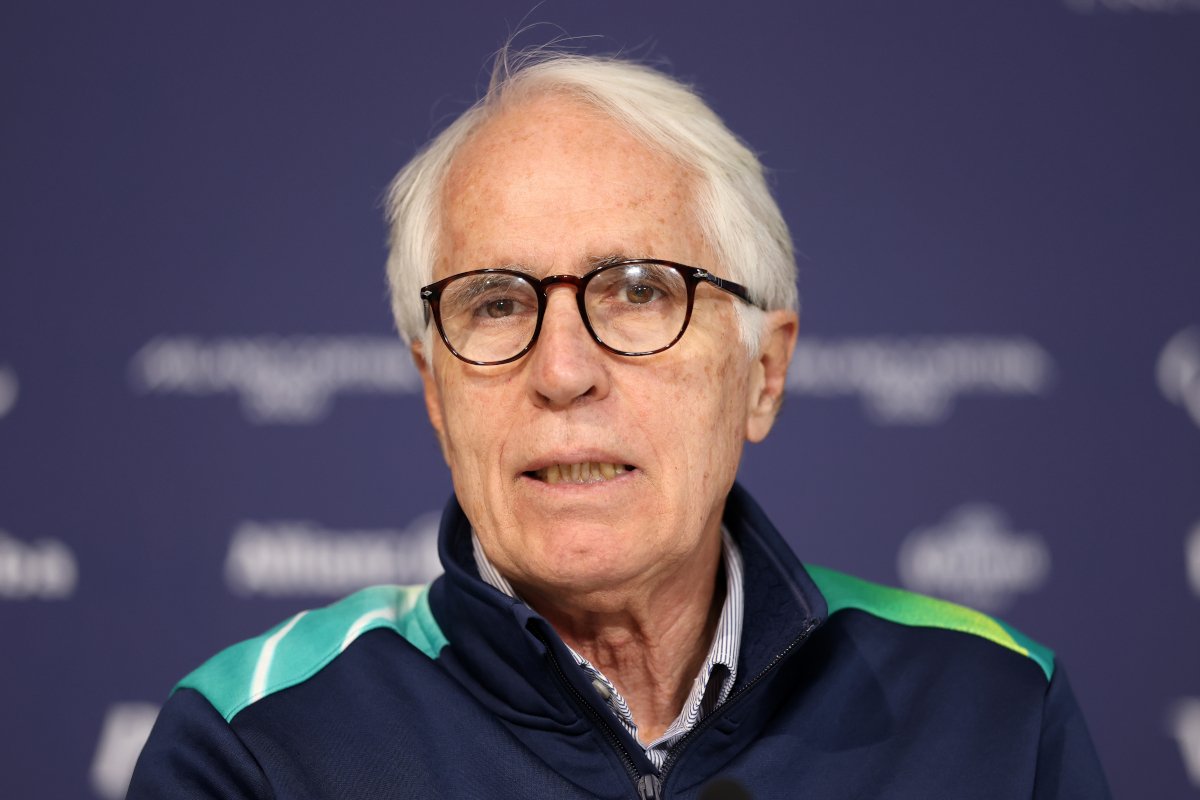
CORTINA D’AMPEZZO, ITALY – MARCH 5: Giovanni Malago, President of the 2026 Olympic and Paralympic Winter Organizing Committee, speaks at the Paralympic Opening Press Conference ahead of the Milan-Cortina 2026 Winter Paralympic Games to be held in Cortina d’Ampezzo, Italy, on March 5, 2026. (Photo by Mattia Ozbot/Getty Images)
FIGC’s new president, Giovanni Malago, has warned that getting the five stadiums ready for Euro 2032 is a “task of challenges” and that Italian football must not remain “fossilized” due to lack of reform.
The former president of the Italian Olympic Committee (CONI) was elected today with 68.58 percent of the vote, comfortably defeating the other candidate, current Lega Nazionale dilettanti president Giancarlo Abete.
He held a lengthy press conference in Rome after the election and touched on other matters, including the selection of Italy’s new manager.
A new era for Marago
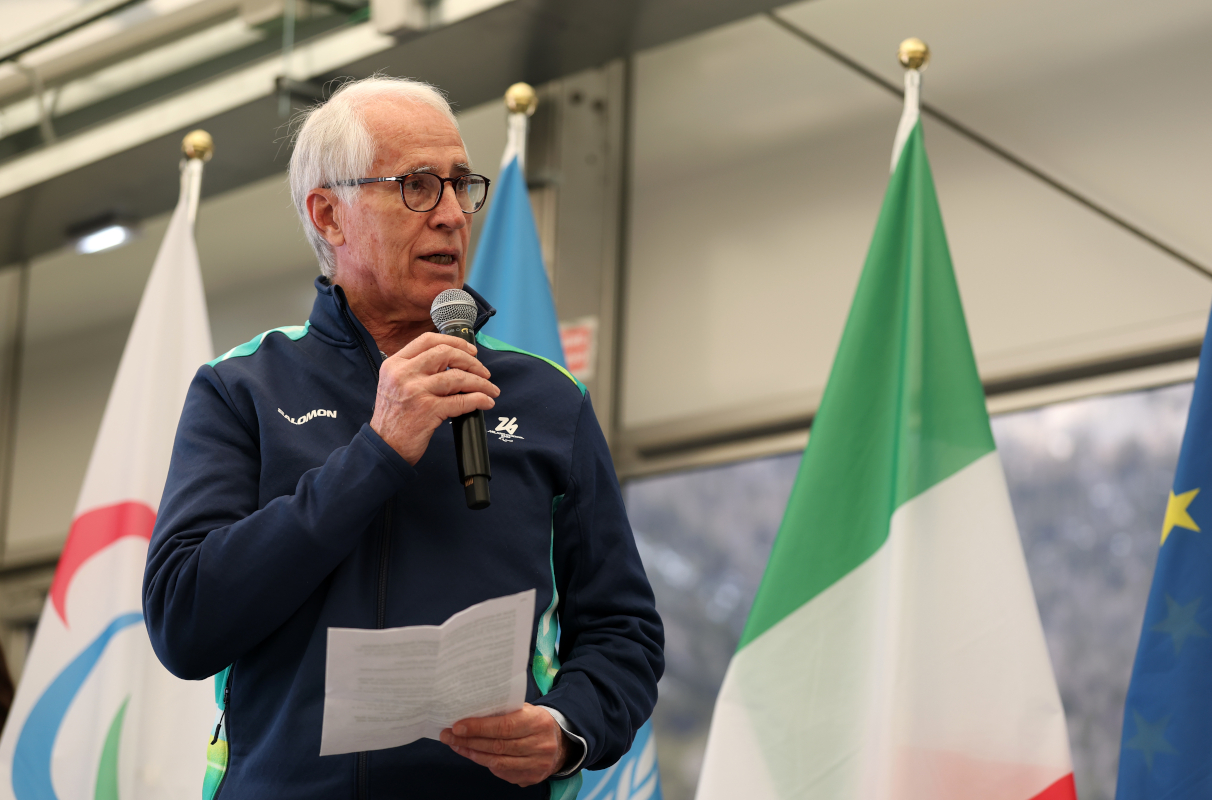
Malago will replace Gabriele Gravina, who resigned after Italy lost in the play-offs to Bosnia and Herzegovina on penalties, missing out on a third consecutive World Cup.
“If it wasn’t for the penalty, I wouldn’t be here now,” Malago pointed out.
“It is incredible that Mr. Gravina was unable to push through any of his proposed reforms despite being re-elected by virtually unanimous consent a year ago.
“Objectively, the situation is completely fossilized. I will continue to defend the autonomy of the sport, but if we can’t change our ways, someone has to put us in a position to change. It’s very simple.”
This is a reference to the possibility that CONI, or even the government, may appoint a special committee to force reforms if the federation’s various constituents do not vote on anything.
Malago was selected primarily for her experience in organizing major international events in Italy, including the world championships in volleyball and swimming, culminating in the 2026 Winter Olympics in Milan-Cortina.
He will need this as he seeks to help clubs build new stadiums and training facilities, as it is becoming increasingly difficult for Italy to find five stadiums ready for Euro 2032.
We are co-hosting the event with Turkiye, but it is difficult just to prepare five stadiums.
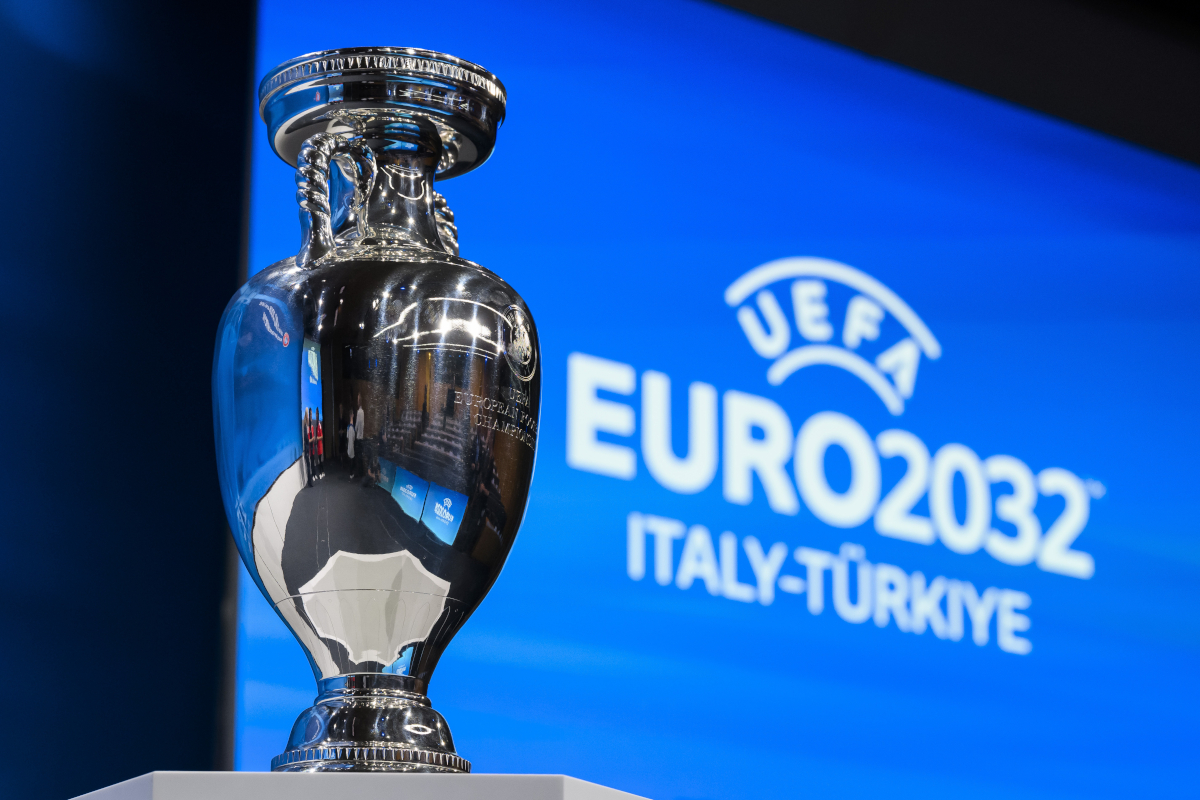
“EURO 2032 is a challenge within a challenge. I have spoken to (UEFA president Aleksandar) Ceferin in the last few days and I have already received a message from (FIFA president Gianni) Infantino.
“Michele Uva is a figure in our UEFA structure and we have to identify these five stadiums,” Malago added.
Discussions with the political class could also include urging them to grant passports to players born or at least primarily raised in Italy, even if they have no Italian blood in their veins.
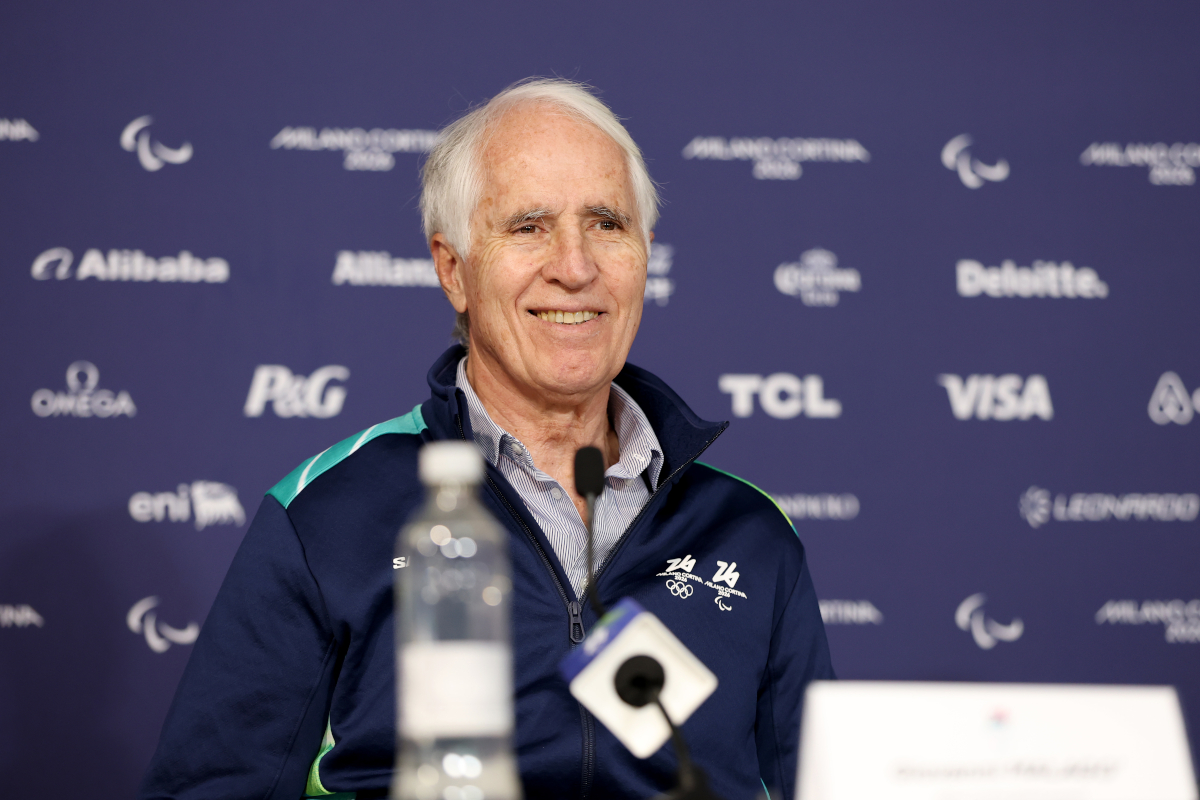
“I’m shocked that more than 40 per cent of the players competing in this summer’s World Cup do not represent the country of their birth. I am in favor of nationality by birth, as so many football federations have benefited from that rule.”
“In football, these extraordinary situations don’t happen. If we wait, other countries will come and take our players because they can’t wait for passports. That’s not acceptable.”
It is in the youth academy that Italian citizenship becomes an issue, and Malago explains the fundamental issues facing clubs.
“If a club buys an Italian player in Italy, they have to pay 22% VAT on the transfer. If they take him abroad, they don’t pay VAT. Please tell me, is that normal?”
post navigation
