
Every few months, Italian football rediscovers its favorite headline, “Inter Milan Crisis.” This is a script as old as the club itself.
One loss, one injury, or one change of director will re-start a chorus of suspicion, panic and speculation. Inter is Finita (Intel is finished)!
But this time, reality has overtaken negative stories. After Simone Inzaghi’s departure and the volatile start of the season, Inter Milan was cancelled again.
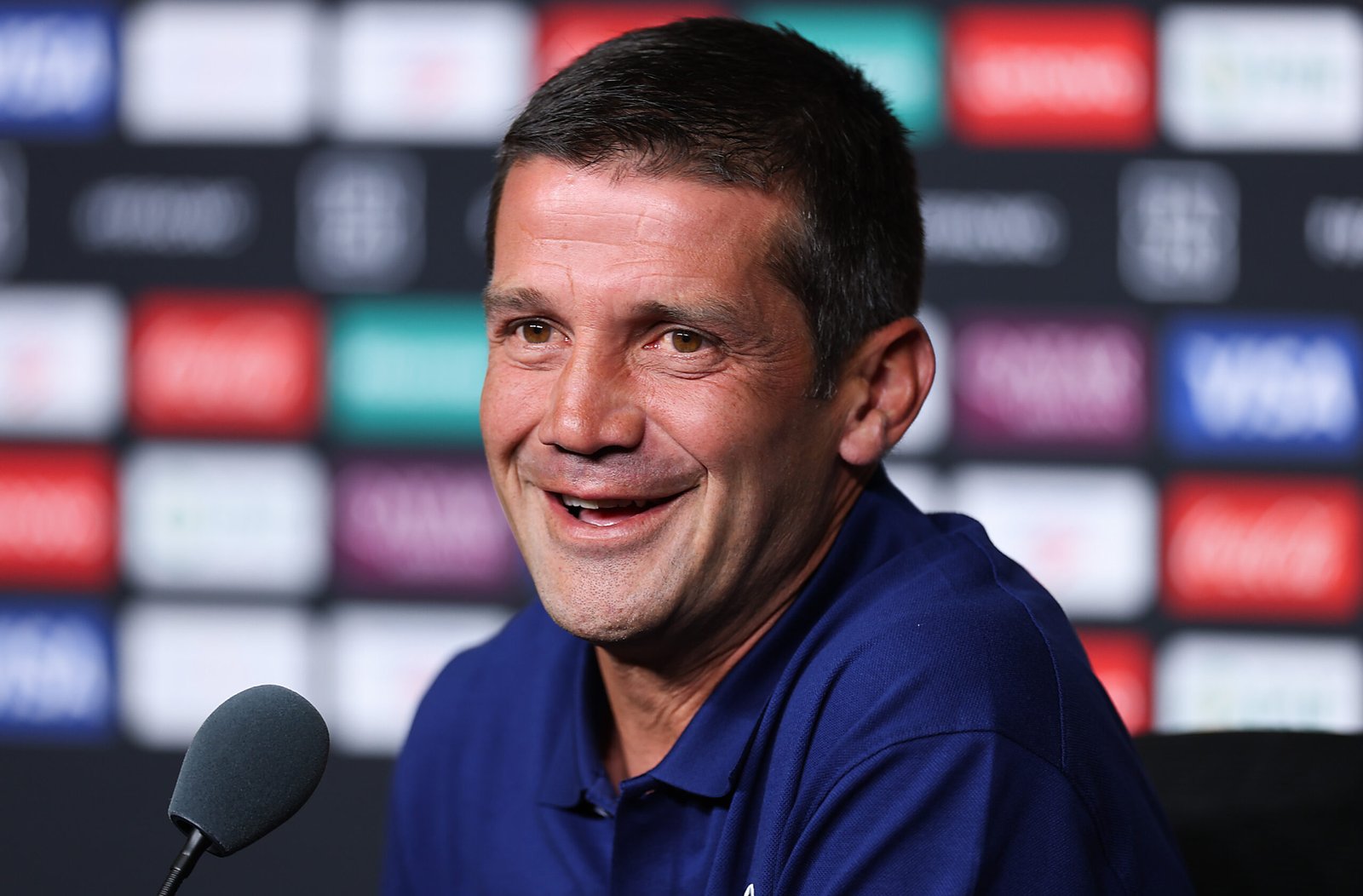
But within a few weeks, the team completely turned the story over. Under coach Christian Kivu, the so-called “Transitional Club” was quietly rebuilt into one of Europe’s most stable and disciplined teams.
Cremonese’s 4-1 victory at San Siro confirmed this. This was not just a victory, it was a testament to the team’s identity, structure and resilience.
Intel 4-1 Cremonase: Turning Point
It was a match with only one direction. Lautaro Martinez scored the opening goal, but Inter’s Angels Joan Bonnie scored the night. The Frenchman made his first start in San Siro with goals and assists.
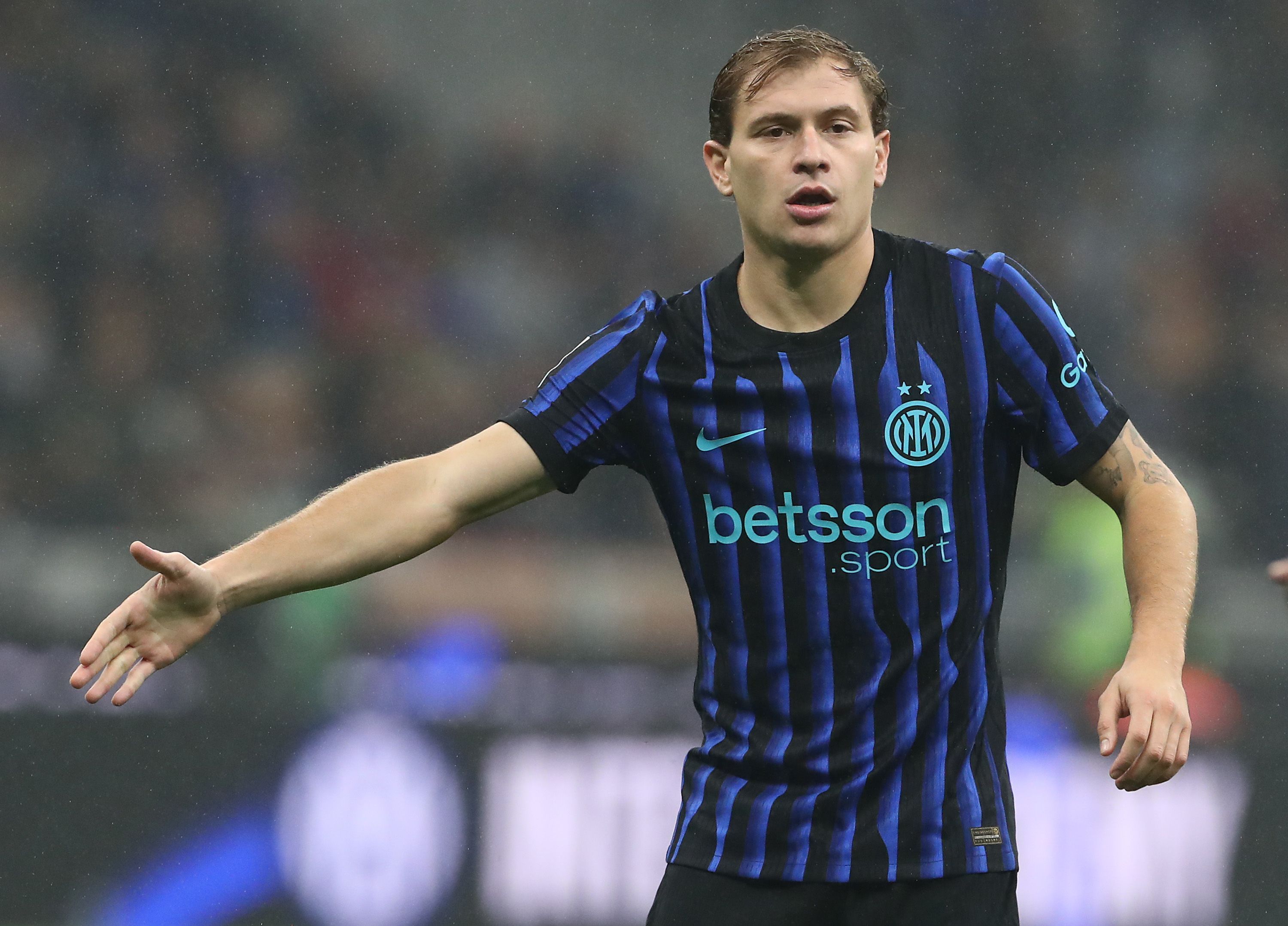
Federico DiMarco cut through the left side of the field with his trademark intensity, and Nicolo Barella scored the night with a powerful midfield attack.
Even the final goals of former Inter striker Bonazzoli did not change the story. This was Inter’s most complete performance of the season.
Since his last defeat to Juventus, Inter has played with balance, conviction and purpose, scoring 13 goals and conceding just two goals.
The Gazzetta dello Sport states: “Inter Siya Rasciaare Pale Il Manifesto di Cam Le Inter Siyaare Pale Il “Mar Di Inzaghi” is a diverse sorcare.”
English: Inter survived the chaos of the Inzagi era and sailed through smoother and stronger waters.
And the numbers confirm that. Kivu rotated 22 players in just eight games, building the overall team’s depth and trust.
The choice of managers who show confidence rather than despair. Inter’s play now feels coordinated, collective and controlled, and this is how true leadership projects should be.
Crisis for others – Peace for Inter Milan
While Inter is getting stronger, traditional rivals seem to be falling into a cycle of frustration. Juventus is a club that is always protected by some of the Italian media, but it remains unimpressive.
After five consecutive draws against AC Milan, where Rossoneri missed a penalty shootout, including a sluggish 0-0 result, Juve appears to be flat and unwell.
They are teams struggling to rediscover their souls and are fighting to survive in the Champions League stage.
Meanwhile, Inter has won five consecutive games in all official matches, moving up to third place in Serie A, making it look like a title candidate once again.
Cremonese arrived at San Siro undefeated and ambitious. They left humbly and defeated.
The contrast between Intel’s accuracy and Juve’s stagnation captures the current mood of Serie A. The clubs that were thought to be at stake are actually growing.
Meanwhile, the “stable” giants are paralyzed by indecision.
Chiv Effect – Quiet Leadership, Clear Command

Christian Kivu’s promotion to the top team has surprised many, but it should not be. He embodies the same humility, discipline and intelligence that defined his competitive career.
Under him, Inter’s football has found a balance of disciplined defence, quick transitions and a stronger identity.
He doesn’t scream, he builds. He prepares, not to settle his posture. Chiv’s leadership is based on clarity rather than charisma, and it works well.
What we are witnessing is not just tactical improvements, but cultural recovery.
Inter no longer feels like a collection of talented individuals who respond to pressure. It feels like the organization is intentionally active.
Lessons for Crisis Lessons from the Intel Milan Handbook
Intel’s revival is not just a sports story, it’s a case study of leadership that CEOs, entrepreneurs and policy leaders can learn.
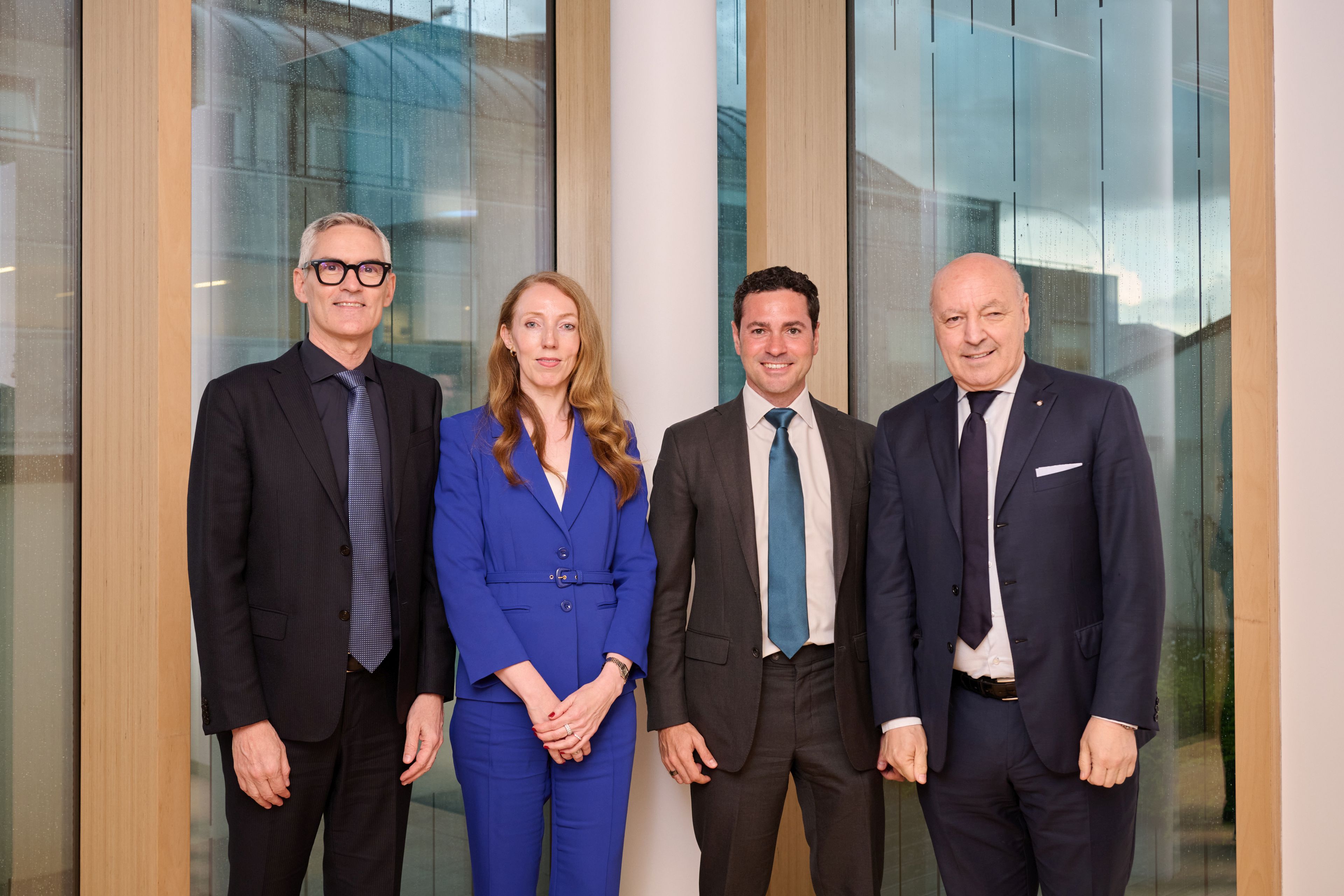
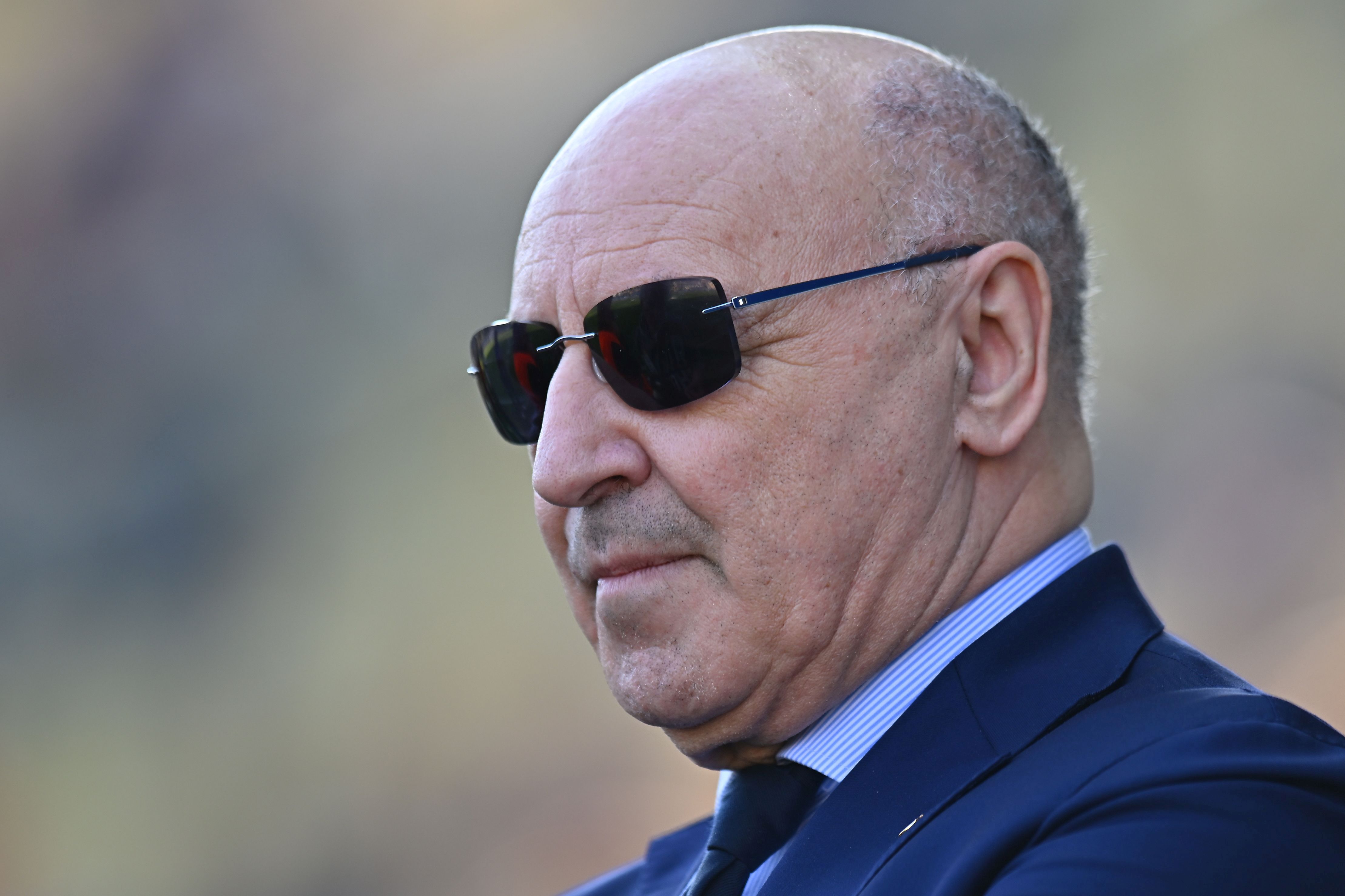
Keep yourself frugal. Under new ownership from Oaktree Capital, Intel’s financial approach has become a model for strategic austerity. Clubs run with discipline and maximize value rather than chasing flashy contracts. If done correctly, thrift is a form of long-term strength. Stay hangy. Lautaro Martinez currently scores in both the Serie A and the Champions League, representing stability and driving force. He shows it, not about his ambition. Hunger wins the season, not hype. Keep taking command. Giuseppe Marotta, executive director of Intel, remains the quiet force behind this structure. He ensures coordination between the owner, management and players. That unity is Inter’s invisible advantage. Deep trust. It’s not a rotation for Inter to use 22 players in eight games. It’s culture. It gives confidence to all members of the team and creates shared ownership and motivation.
From soccer to philosophy
What Intel teaches is that crisis management is not about noise or denial, but about patience and work.
Focusing on values rather than headlines will ultimately speak more eloquently than any rumour.
This is the essence of Italian resilience, an art of pride and reconstruction with a focus on the noise of the media.
The same idea applies to business, politics and personal growth. Instead of silence critics with words, they silence with the results.
Inter’s current strong performance is no coincidence. It is the product of accumulation of leadership decisions to say no to panic, yes to patience, and trust the process even when others have not seen it yet.
The Benefits of Italy
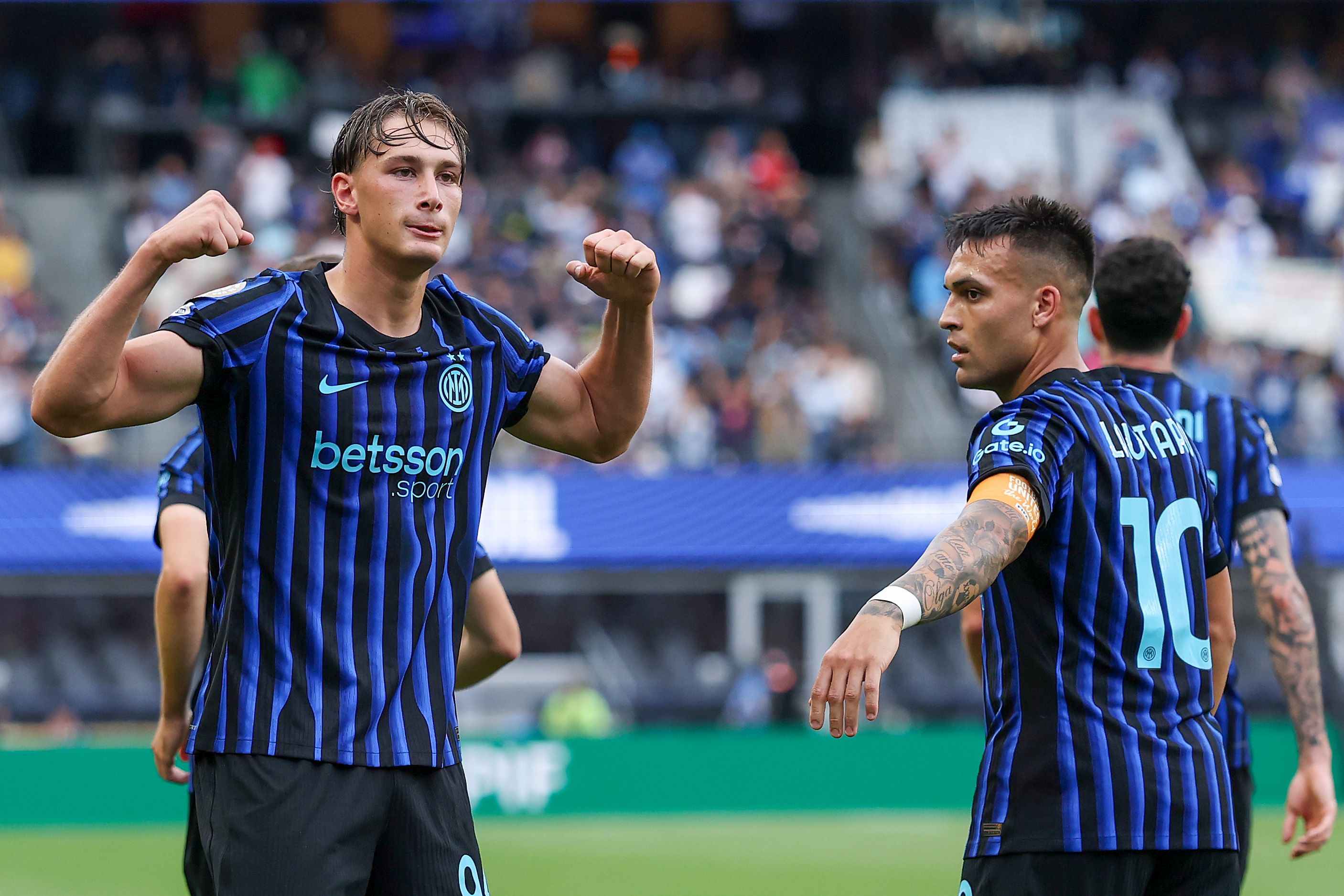
From “crisis” to control, Intel Milan offers a masterclass in leadership and focus.
Under Kivu, the team rediscovered what Italian excellence truly means. It is discipline without rigor, ambition without arrogance, and confidence without satisfaction.
So, as Juventus stalls and Milan struggles to maintain stability, Inter is quietly moving forward one by one with calculated victory.
Here are timeless lessons in sports, business and life. Even when others are chasing noise, those who keep calm write the next chapter.
In conclusion, Inter Milan has not just returned, but has taken the lead again.
Posted by: Andrea Zanon
Andrea Zanon is the co-founder of Confidente. He is an international advisor who has worked for financial institutions and entrepreneurs in terms of sustainability, international affairs and development.
