

Milan, Italy – May 24: General view inside the stadium before a Serie A match between AC Milan and Monza at Stadio Giuseppe Meazza on May 24, 2025 in Milan, Italy. (Photo: Marco Luzzani/Getty Images)
For decades, Serie A has been a world football beacon. The brightest stars of the planet gather in Italian stadiums, and league matches were an inevitable event for fans around the world. While the era of indisputable domination has passed, Italian football is now experiencing a quiet yet important Renaissance. Inevitably not from the perspective of European trophies, but in its influence and international scope. Audience metrics, especially in English-speaking markets such as the US and the UK, reveal steady growth that exceeds traditional television broadcasts.
This new wave of interest is no coincidence, but it is the result of the convergence of factors that make Serie more accessible, competitive and attractive than ever.
A more competitive and grand product
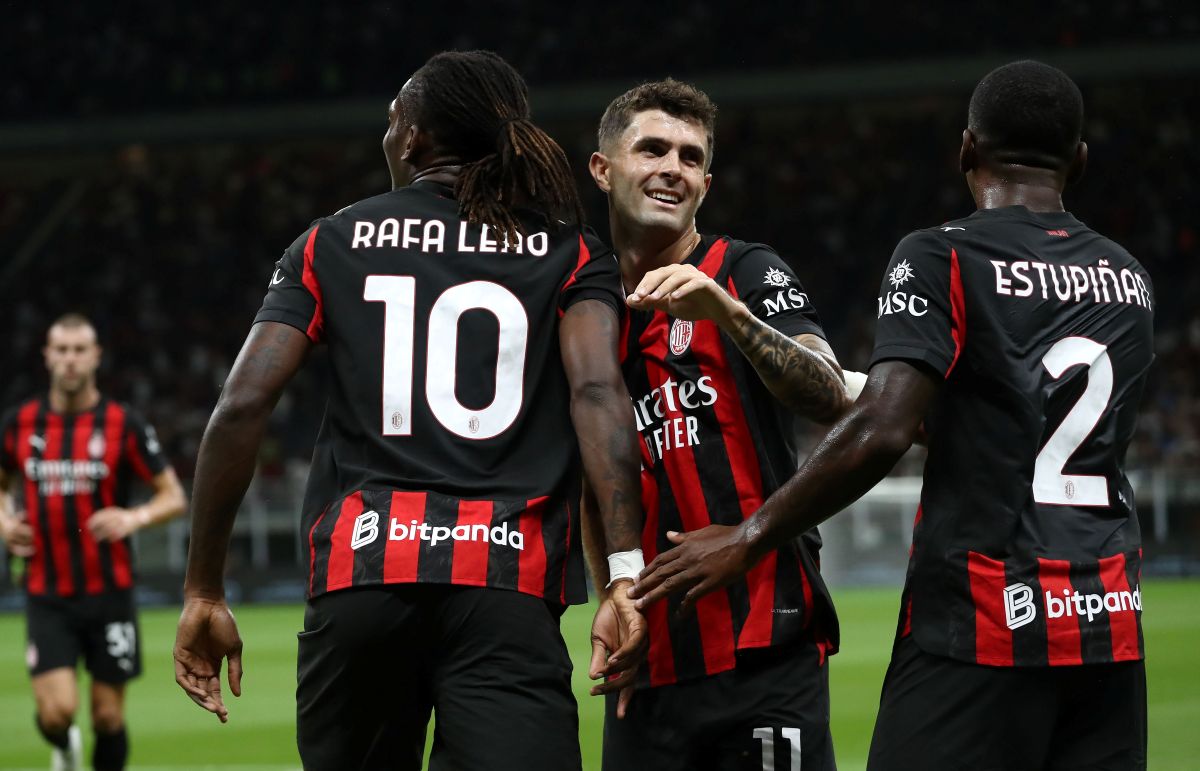
The main driver of this growth is the product itself. The tactically suffocating image of Serie A, dominated by “Catenaccio,” has now become a faded memory. The modern Italian league is highly unpredictable, featuring aggressive football, innovative coaches and competitive balance. Unlike other European leagues where winners can predict from the start, Scudetto and the battle for European spots and survival often involves a large number of teams until the final stages of the season.
This uncertainty creates a compelling story that will attract the attention of neutral viewers. Matches are often filled with goals and dramatic turns, exposing old stereotypes and providing a sight where you can compete on equal terms with other top-notch tournaments. The Italian team’s strong performance at the UEFA competition further strengthened the perception of a healthy league that can produce world-class football.
Digital Accessibility and Modern Fans
If the quality of play is “what,” the digital revolution is “how.” The increase in Serie A’s international reach is closely related to the ease with which fans can follow the match. Strategic broadcasting contracts such as Paramount+ in the US and those with TNT Sports in the UK have made all league games available to huge and enthusiastic audiences.
However, the modern fan experience does not end in the final whi. The Serie A Club invests heavily in digital communication and manages English-language social media channels that provide exclusive content, highlights and direct interactions. Platforms such as X (formerly Twitter), Instagram and YouTube have become virtual arenas where international fan communities meet, discuss and share their passions. This digital ecosystem creates constant connections with the league, turning the passive view into active, daily engagement.
Cultural Bridges: familiar faces and new ownership
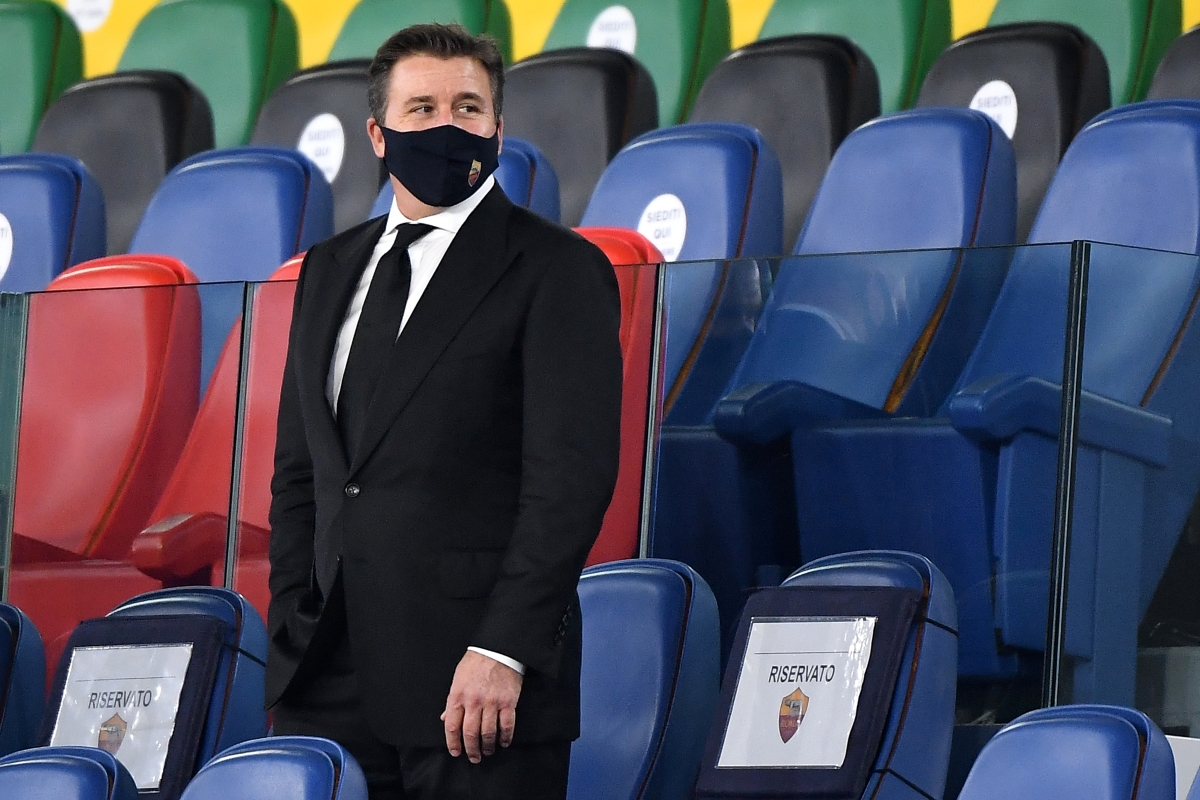
Another important factor, especially in the British market, is the expansion of player presence and ownership from the US and the UK. The arrival of well-known footballers like Christian Purisik, Fikayo Tomori and Reuben Loftus Cheek created a direct cultural bridge for American and British fans. Their performance is not only a sporting interest, but also a means of promoting culture throughout the league.
Similarly, the presence of American ownership in top flight clubs such as Milan, Rome, Atalanta and Genoa has increased the visibility of Serie A in the US media. These investors bring a mindset aimed at global marketing and strong brand building, helping to position the league as an attractive entertainment product on an international scale.
360 degree engagement
The combination of these factors has changed how the world’s audience interacts with Italian football. It’s not just about watching games once a week anymore. Today, engagement is multifaceted and layered, with deeper interest in everything from news and analysis on specialized portals to participation in fantasy leagues, and for some, it has a deeper interest in all aspects surrounding the league.
This deep involvement also led to increased curiosity about the state of regulated sports betting in Italy. For many international enthusiasts approaching a new market, finding reliable resources like English guides to Italian bookmakers is a practical step towards understanding regulatory frameworks and operators trusted by local fans. It’s a further indication of how modern fans want a complete and informed experience.
In conclusion, Serie A is building a new global identity based on persuasive football, unprecedented accessibility and strategic cultural connections. Its growth reflects structural changes in sports consumption and experience rather than fleeting phenomenon. The Italian league has evolved successfully, and the world is realising once again.
Post navigation
